
Who can build
+ robot application developers
+ robotics researchers
+ system integrators
+ automation builders
+ education providers
+ physical AI teams
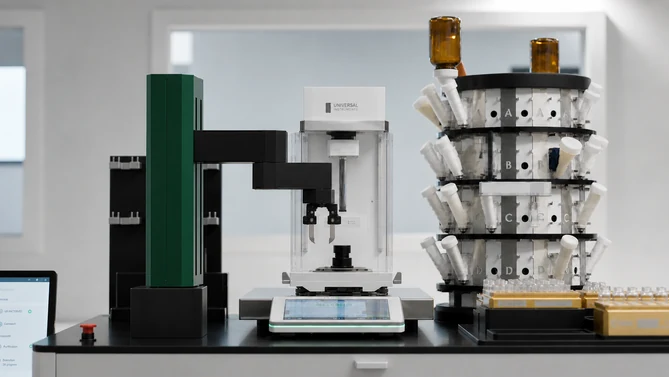
Applications
MINTROBOT platforms are designed as targets for robot applications.
Reference applications are examples, validation tools, and starting points. They demonstrate what can be built on top of MINTROBOT platforms while developers, researchers, integrators, educators, and partners build their own robot applications.
Reference applications
Reference applications demonstrate how component and compound robot platforms can support different robot instance directions. They are starting points for deployment paths based on the same architecture, with Librux as one supported path while ROS-based frameworks or custom software stacks can also be used to turn a reference application into a deployable robot instance.
Who can build
What applications can use
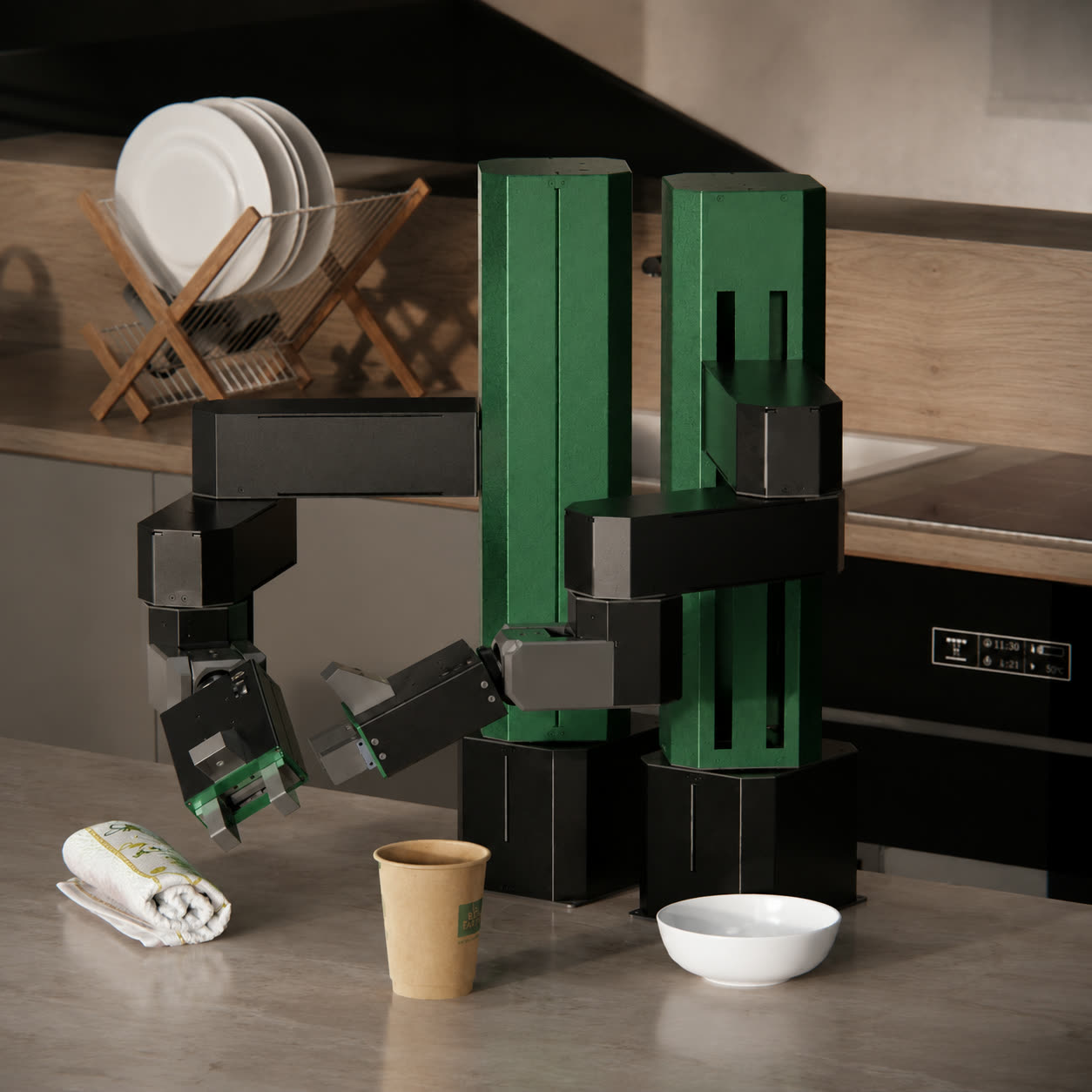
Table-Top Manipulation Reference visual
Reference application
What it demonstrates
Demonstrates how manipulation capability, end-effector control, and workspace deployment can be combined on a compatible platform.
Requires
Runs on
Deployment config
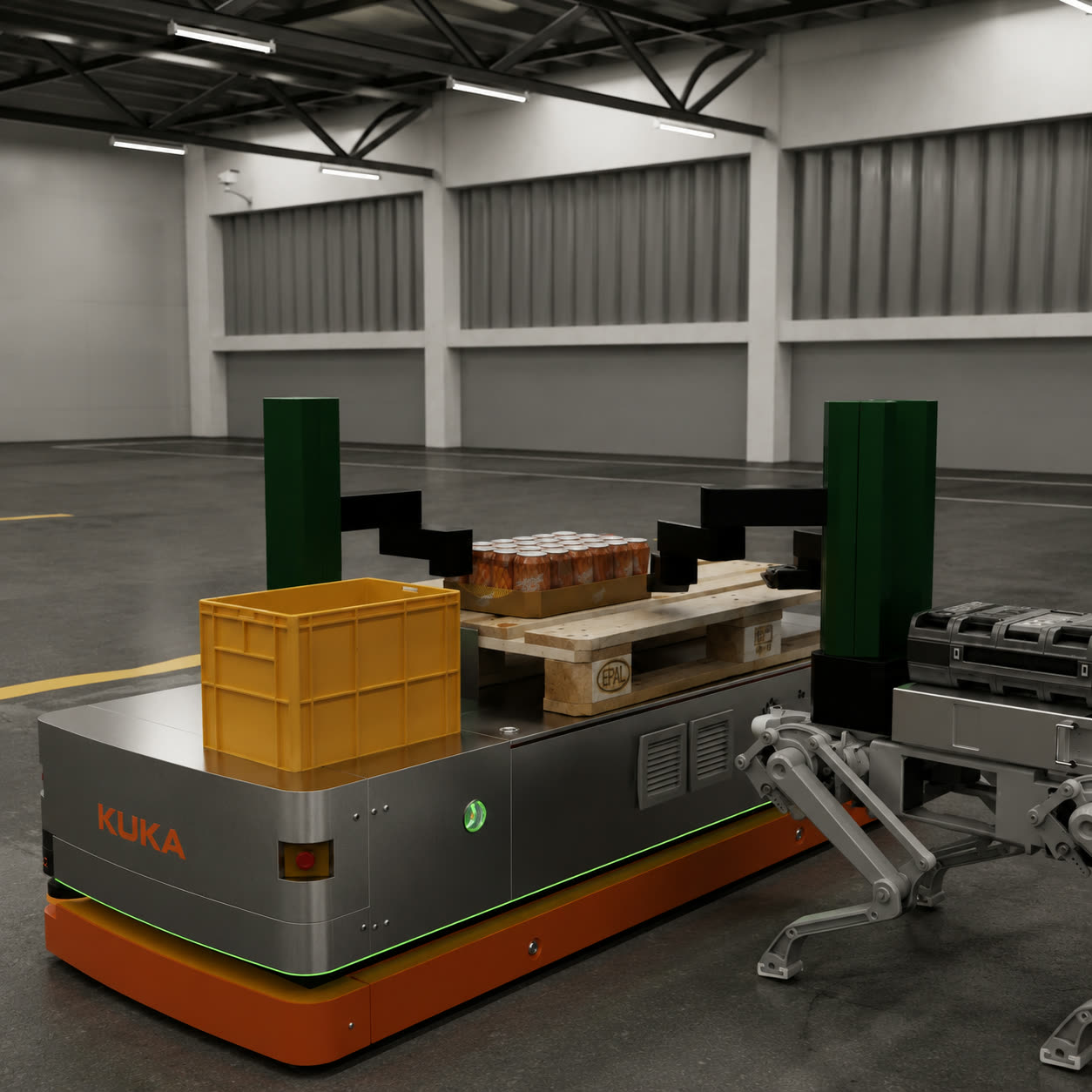
Mobile Manipulator Tasks Reference visual
Reference application
What it demonstrates
Demonstrates how mobility, navigation, and manipulation can be combined when a compound robot platform must move through an environment and perform object-level tasks.
Requires
Runs on
Deployment config
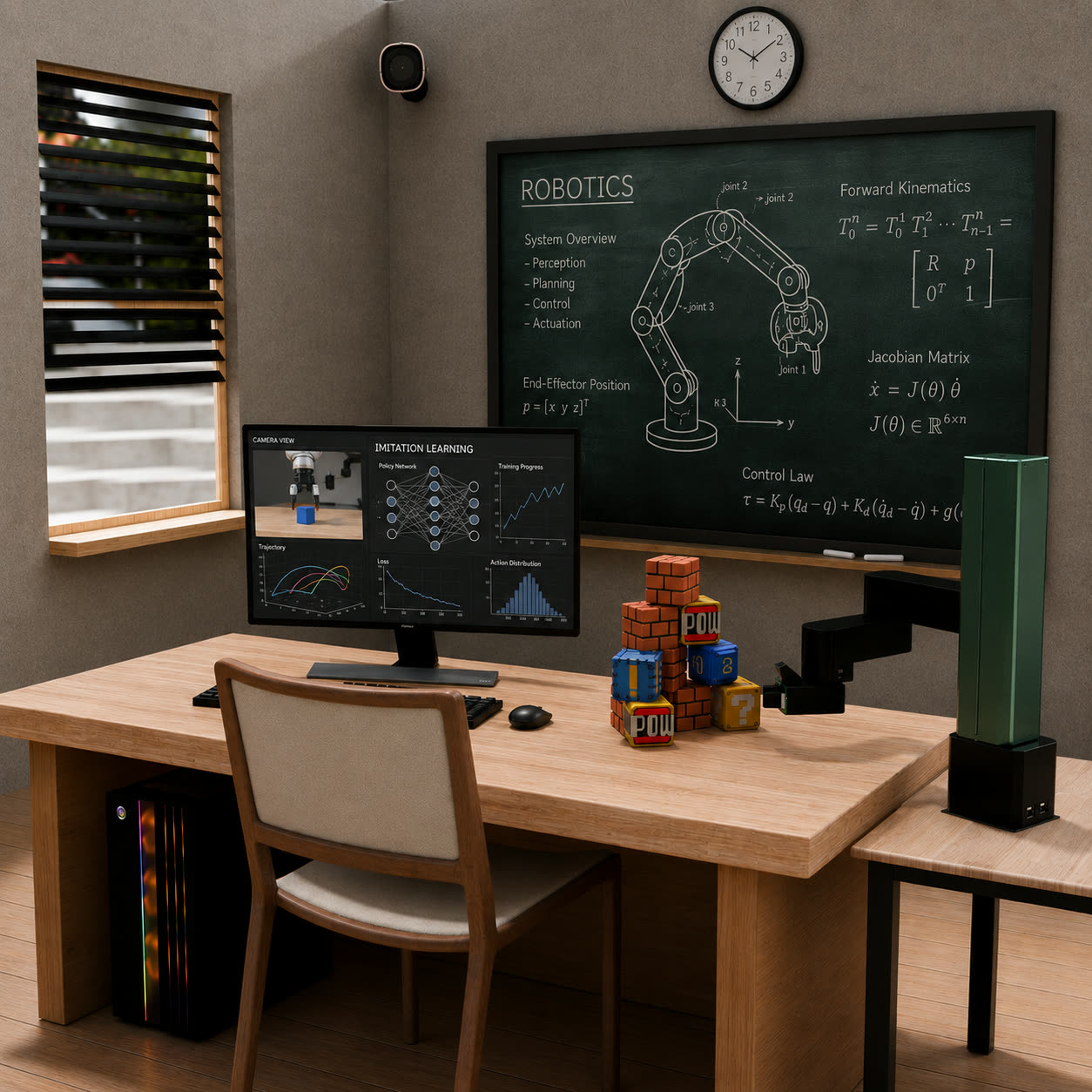
Education / AI Training Reference visual
Reference application
What it demonstrates
Demonstrates how students and research teams can learn AI-integrated robotics through a real platform, embedded vision, SDR interfaces, simulation, and repeatable robot application workflows.
Requires
Runs on
Deployment config
Robot instance reference
This reference shows how a service automation robot instance can be formed by combining a platform foundation, application logic, and deployment binding. The focus is not broad SI work, but reducing unnecessary robot complexity and validating the robot instance before real operation.
Robot instance goal
Platform foundation
Application + deployment binding
Reference outcome
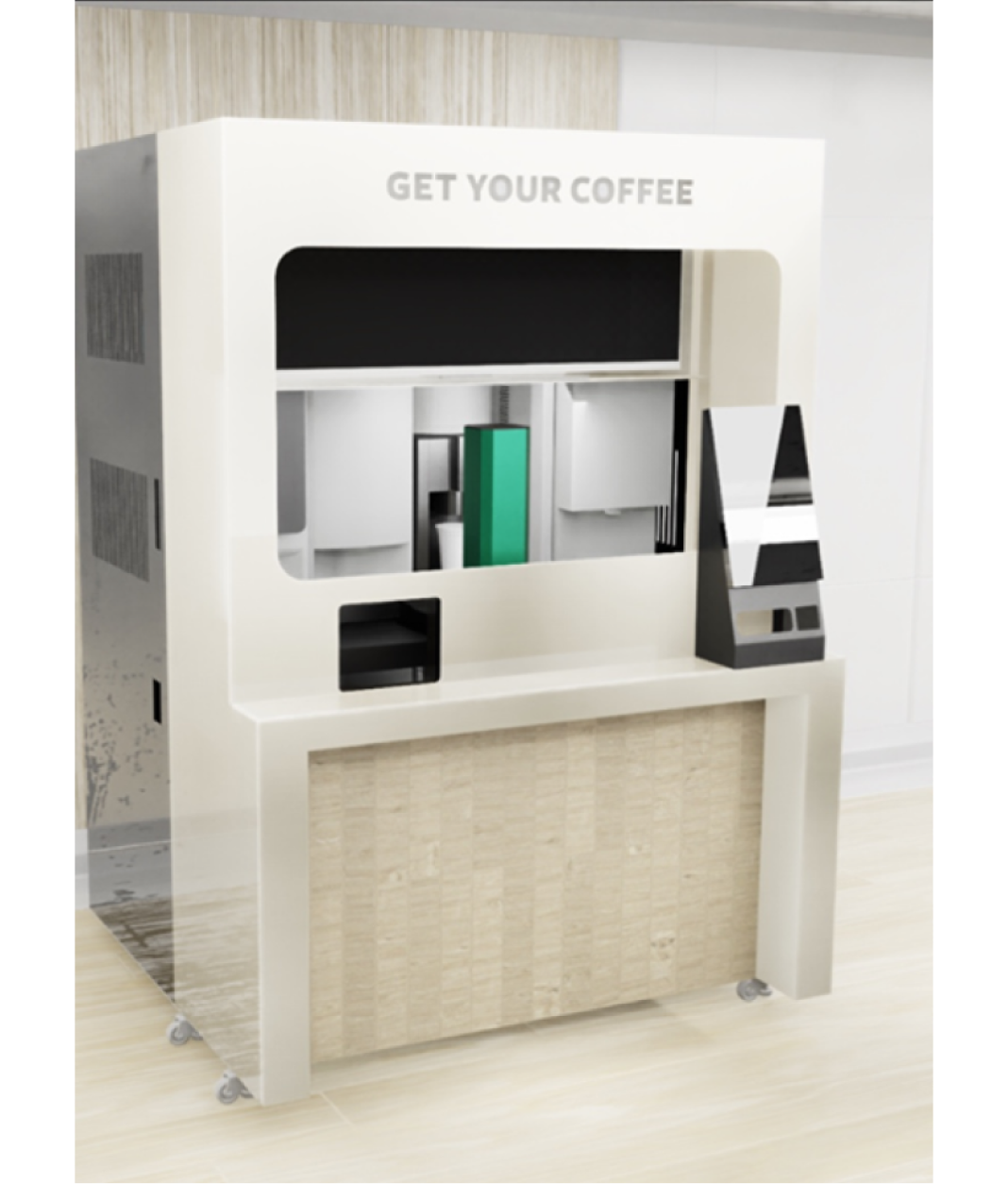
Simulation
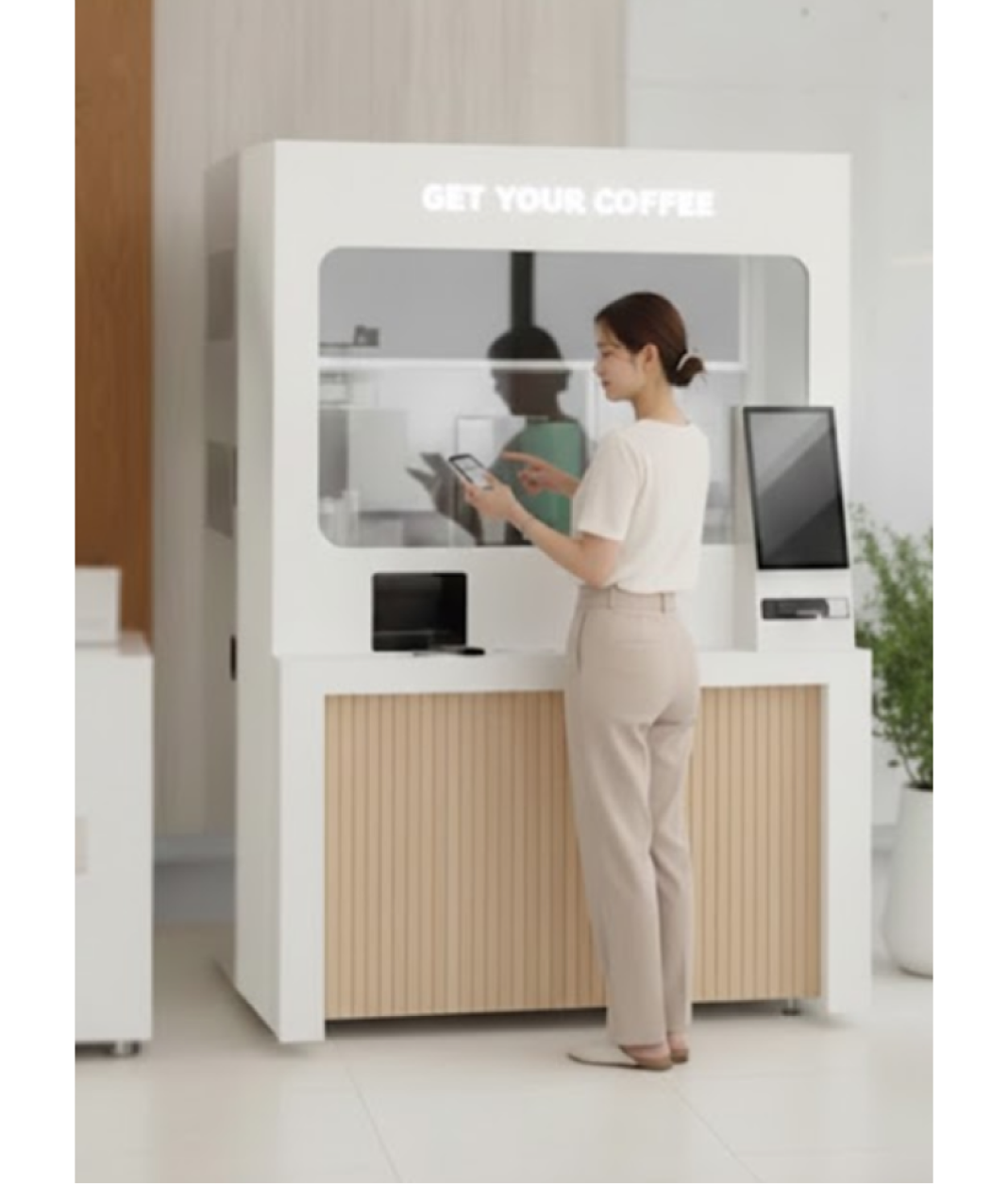
Real deployment
Robotic barista robot instance
Commercial service automation deployment in Daegu, South Korea.
The robot instance was configured around the required service task rather than using an over-specified general industrial robot. SDR-based simulation was used to validate application logic and deployment assumptions before build, reducing avoidable redesign work and improving the path to commercial operation.
Platform review
Share the target application idea, platform assumptions, sensing resources, controller requirements, real environment, and simulation needs. MINTROBOT can help determine whether Pal, Son, or a compound platform foundation is the right target.
Start Platform Review